-
Clinical Insights: Resistance Mechanisms of Common Drugs for Clostridioides difficile Infection
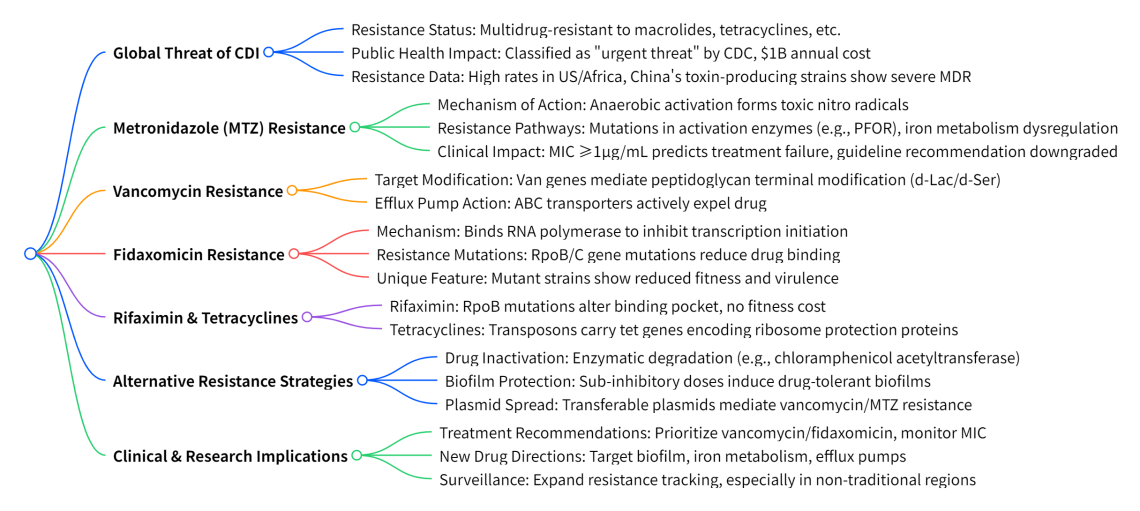
Clostridioides difficile (CD) infection (CDI) remains a pressing global health challenge, driven by increasing antimicrobial resistance (AMR) and the bacterium’s ability to thrive in gut environments disrupted by antibiotics. Let’s explore how CD develops resistance to commonly used drugs, why this matters for treatment, and what it means for future therapies. The Growing Menace of CDI and Antibiotic Resistance CD is a spore-forming bacterium well-known for resisting multiple antibiotics like macrolides, tetracyclines, and fluoroquinolones. When broad-spectrum antibiotics wipe out the protective gut microbiota, CD takes advantage, overgrowing and producing toxins that cause severe diarrhea, colitis, and even life-threatening complications. Since 2013, the U.S. CDC has labeled CD as an “urgent…

Professional manufacturer of Rifamycin derivatives since 1994