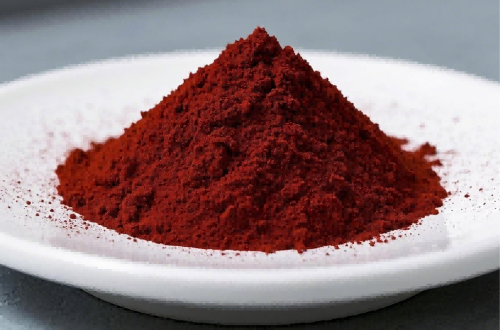
The Rifampicin Riddle: When an Effective Antibiotic Should Never Be Used Alone
If you work in infectious diseases or clinical microbiology, you’ve likely encountered this scenario: a patient has a serious Staphylococcus aureusinfection, perhaps a deep-seated bone or implant-related one. The lab report comes back, and it shows the isolate is susceptible to rifampicin. Yet, if you suggest using rifampicin by itself, your colleagues will likely advise against it. Why is that? If it’s “susceptible,” why can’t we use it as monotherapy?
This paradox lies at the heart of a recent exploration by a panel of UK experts from the British Society for Antimicrobial Chemotherapy. Their investigation, published in the Journal of Antimicrobial Chemotherapy, delves into a specific question: should rifampicin’s official susceptibility breakpoints for S. aureusbe placed in brackets—like [S], [I], and [R]—to formally warn against its solo use?
The “Breakpoint in Brackets”: A Warning Label for Antibiotics
To understand the debate, we first need to understand what a “breakpoint in brackets” means. The European Committee on Antimicrobial Susceptibility Testing (EUCAST) introduced this concept in 2021. It acts as a built-in warning system on the lab report. When you see a bracketed breakpoint, it signals that the antibiotic is inherently ineffective as a single agent and must only be used in combination with another active drug or alongside a specific intervention, like surgical debridement.
A classic example is the use of fusidic acid for staphylococcal infections; its breakpoints are often bracketed because using it alone rapidly leads to treatment failure due to resistance.
The Rifampicin Conundrum: Potent but Problematic
Rifampicin is a fascinating antibiotic. It’s exceptionally potent against S. aureus, with excellent ability to penetrate biofilms and human cells, making it ideal for tackling bacteria hiding within our own immune cells. On paper, it looks like a wonder drug. So, why the clinical hesitation?
The experts conducted a systematic review of over 45 years of scientific literature to find the answer. What they found was a tale of two stories:
- The Promise: Early studies from the 1980s and even recent sophisticated animal models (like neutropenic mouse thigh infections) consistently show that rifampicin monotherapy is highly effective at killing S. aureus… in the short term. Over 24-48 hours, it demonstrates impressive bactericidal activity.
- The Peril: However, this success is notoriously short-lived. Study after study, dating back to the 1980s, sounds the same alarm: rifampicin resistance emerges with alarming speed and high frequency.
The bacterium S. aureuscan mutate a single gene (rpoB), which codes for the target of rifampicin, rendering the drug useless. This happens both in test tubes and in living animals. Researchers observed that while rifampicin would initially clear the bacteria, regrowth of fully resistant mutants would occur within days, leading to ultimate treatment failure. This risk is so well-established that it has become a cornerstone of infectious diseases practice: rifampicin for staphylococcal infections must always be combined with another agent (like vancomycin, a fluoroquinolone, or another anti-staphylococcal drug) to suppress the emergence of these resistant mutants.
So, Why No Brackets? The EUCAST Verdict
Given this overwhelming evidence against monotherapy, the case for adding brackets seems strong. The authors presented their findings to the EUCAST steering committee. However, the committee decided against putting rifampicin breakpoints in brackets.
The reason lies in the precise, technical definition EUCAST uses for bracketing. The brackets are reserved onlyfor agents that are inherently ineffective from the start—meaning they simply don’t work as monotherapy, even initially.
Rifampicin doesn’t fit this strict criterion. The evidence shows it iseffective initially; the problem is that its effectiveness createsthe conditions for its own downfall by selecting for resistant mutants. The issue is not a lack of inherent power, but a practical one of rapid resistance selection. Therefore, it does not qualify for a bracketed breakpoint under the current rules.
The Crucial Takeaway for Clinicians
This decision is more than a technicality; it carries a critical lesson for anyone prescribing antibiotics. The rifampicin story teaches us that the absence of a bracket does not equal an endorsement for monotherapy.
A susceptibility result must be interpreted with deep pharmacological and clinical knowledge. The lab report tells you that the drug can potentiallywork, but it doesn’t tell you howit should be used to achieve success in a patient.
In the case of rifampicin, the scientific literature screams a clear warning that its greatest strength is unlocked only when it’s paired with a partner drug that protects it from resistance. The official breakpoint may not have brackets, but in the minds of clinicians, it should always be surrounded by a big, red, virtual warning sign.
The authors rightly call for more research to define the best combination regimens and dosing strategies to minimize resistance risk. But until then, the consensus remains unwavering: rifampicin is a fantastic team player, but a terrible solo artist.