Rifamycin-Based Short-Course Therapy: A Paradigm Shift in Treating Latent Tuberculosis
Tuberculosis (TB) remains one of the world’s most persistent infectious disease threats. While much attention is focused on active TB, the silent reservoir — latent tuberculosis infection (LTBI) — harbors as many as 1.7 billion people globally, representing a vast pool of potential future disease. For decades, clinicians have relied on a six-month course of daily isoniazid (6H) as the standard preventive treatment. But a growing body of evidence is challenging that long-standing approach, and a rifamycin-based regimen is emerging as the new standard of care.
The Problem with Long-Course Isoniazid
Isoniazid monotherapy has long been considered the backbone of LTBI treatment. Yet its practical shortcomings are well-documented. A six-month daily regimen demands sustained patient commitment that is difficult to maintain in real-world clinical settings. Studies consistently show that treatment completion rates for the 6H regimen hover around 60–70%, meaning a significant proportion of patients never finish the course and remain at risk.
Beyond adherence, hepatotoxicity is a serious and frequent concern. Isoniazid carries a well-known risk of drug-induced liver injury (DILI), which not only leads to treatment discontinuation but can pose genuine clinical risk — particularly in older patients or those with underlying metabolic conditions. In real-world cohorts, over 30% of patients on 6H have been observed to develop clinically significant liver enzyme elevations, underscoring the urgency for safer alternatives.
Enter the Rifamycin Era: 1HP Takes the Spotlight
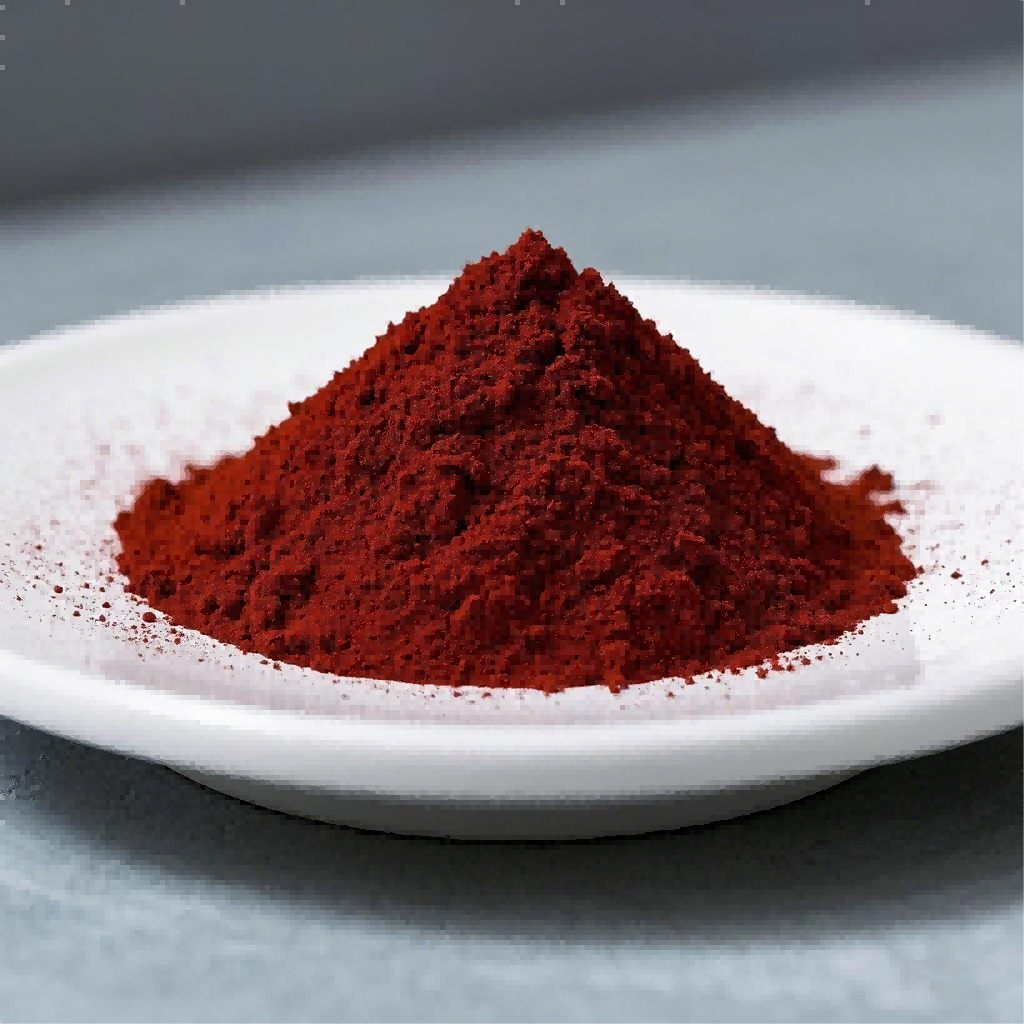
Rifamycins are a class of antibiotics with potent bactericidal activity against Mycobacterium tuberculosis. The original rifamycin compound was isolated in the late 1950s from Amycolatopsis rifamycinica (formerly Nocardia mediterranei) and gave rise to a family of drugs that includes rifampicin (rifampin), rifapentine, and rifabutin — all sharing a characteristic mechanism of inhibiting bacterial RNA polymerase.
Among the newer rifamycin-based LTBI regimens, the one-month daily rifapentine plus isoniazid (1HP) combination has generated exceptional clinical interest. Originally validated in HIV-positive populations, where it demonstrated both low toxicity and high completion rates, 1HP is now being evaluated more broadly in HIV-negative adults — a far larger and underexplored population.
What the Evidence Tells Us
A recent clinical study conducted at a national tuberculosis reference center assessed 164 adult LTBI patients not infected with HIV, comparing the 1HP regimen against the conventional 6H isoniazid monotherapy over a 12-month observation period.
The results were striking. Patients in the 1HP group achieved a treatment completion rate of 97.8%, compared to just 67.6% in the 6H group — a difference that was both statistically and clinically significant. The shorter duration, combined with directly observed therapy (DOT) administration, appears to be a powerful driver of adherence. Patients are more willing and able to commit to a four-week course than a half-year regimen.
On the safety front, the data was equally compelling. Clinically meaningful hepatotoxicity — defined as liver enzyme elevations exceeding 1.5 times the upper limit of normal — occurred in only 4.6% of 1HP patients, compared to 32.9% in the 6H group. Statistically, patients on 6H were more than 10 times more likely to develop significant liver toxicity (OR = 10.4). Severe hepatotoxicity (>5× ULN) was observed in 8.6% of 6H patients but was essentially absent in the 1HP cohort.
Perhaps most telling from a practical standpoint: 16.2% of 6H patients required a regimen switch to rifampin monotherapy due to adverse effects, while not a single patient in the 1HP group needed a change. This kind of real-world treatment stability is precisely what clinicians and patients need.
Rifamycins: A Mechanistic Advantage
The biological basis for rifamycins’ effectiveness in TB prevention is well-established. These antibiotics bind the beta subunit of bacterial RNA polymerase, halting transcription and killing M. tuberculosis cells — including dormant bacilli that are precisely the target in LTBI. Rifapentine, in particular, benefits from a long half-life of 13–19 hours, enabling effective daily or even weekly dosing.
Compared to isoniazid, which primarily targets mycolic acid synthesis and requires metabolic activation (a process that can itself generate hepatotoxic byproducts), rifapentine’s direct mechanism of action and favorable pharmacokinetic profile contribute to its superior safety profile. The reduced risk of DILI with rifamycin-containing regimens has been consistently demonstrated across multiple clinical trials and now real-world cohort studies.
Implications for Global Tuberculosis Elimination
The World Health Organization’s End TB Strategy sets ambitious targets: a 90% reduction in TB incidence and a 95% reduction in TB deaths by 2035 compared to 2015 levels. Achieving these goals requires not only treating active disease but decisively addressing the latent reservoir. LTBI treatment at scale is therefore a global public health priority.
Rifamycin-based short-course regimens offer a compelling pathway. Parallel meta-analytic evidence from HIV-positive populations confirms that rifapentine-isoniazid combinations (both 1HP and 3HP — the three-month weekly version) match the efficacy of long-course isoniazid in preventing TB while achieving five times higher treatment completion rates and significantly lower rates of adverse event-driven discontinuation. These findings reinforce the case for replacing 6H as the default LTBI regimen across all patient populations.
Looking Ahead
Remaining questions merit further study. The current evidence in non-HIV populations is still primarily derived from smaller, observational studies with inherent limitations — including retrospective design, relatively modest sample sizes, and limited generalizability to pediatric patients, pregnant women, or immunocompromised individuals. Larger prospective randomized trials in these groups would substantially strengthen clinical confidence.
Cost-effectiveness analysis is also needed, particularly in high-burden, low-resource settings where LTBI treatment is most urgently needed but rifapentine availability remains constrained. Advocacy for expanded access to rifapentine — including generic manufacturing pathways — must accompany the scientific case for 1HP.
Conclusion
The evidence is converging: rifamycin-based regimens, led by the 1HP combination of daily rifapentine and isoniazid, represent a transformative advance in latent tuberculosis treatment. By dramatically improving treatment completion rates and slashing the risk of drug-induced hepatotoxicity, 1HP addresses the two most stubborn failure modes of conventional LTBI therapy.
As clinicians, researchers, and public health authorities increasingly recognize rifamycin’s central role in the TB elimination toolkit, the transition away from six-month isoniazid monotherapy is not merely an option — it is becoming an imperative. The tuberculosis community would do well to accelerate this shift, ensuring that the drugs we have are matched with the treatment strategies most likely to put them to work.

You May Also Like
Ensuring Treatment Equality: A Landmark Study Confirms the Bioequivalence of a Generic Rifampicin Capsule in Healthy Chinese Subjects

2026: A Pivotal Year for API and Intermediate Sector – Poised for Valuation Reassessment