Rifabutin for infusion: BV100 trial progress for CRAB
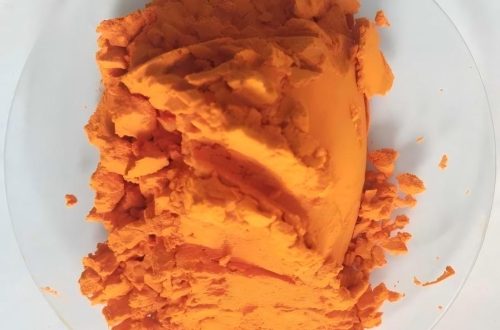
Rifabutin for infusion, known by its development code BV100, is an intravenous reformulation of an older antibiotic now in late-stage trials for carbapenem-resistant Acinetobacter baumannii (CRAB). In a Phase 2 trial in ventilator-associated bacterial pneumonia, 28-day all-cause mortality was 25 percent with BV100 against roughly 50 to 60 percent with best available therapy. A global Phase 3 trial called RIV-TARGET is now enrolling, with primary data expected in the second half of 2027.
Why CRAB still needs new drugs
Carbapenem-resistant Acinetobacter baumannii is a Gram-negative pathogen that survives on hospital surfaces and preys on patients in intensive care. It causes hospital-acquired bacterial pneumonia (HABP), ventilator-associated bacterial pneumonia (VABP), and bloodstream infections, and it develops or acquires resistance faster than most institutions can adjust their formularies. Treatment still leans heavily on polymyxin-based regimens and high-dose ampicillin-sulbactam, options that carry kidney toxicity and cure rates that leave room for improvement. The approval of the sulbactam-durlobactam combination gave clinicians a newer agent, but coverage gaps remain for extensively drug-resistant (XDR) and pan-drug-resistant strains and for severe syndromes beyond pneumonia. One candidate trying to fill that gap is rifabutin for infusion, a reformulated version of a decades-old drug.
Rifabutin: an old drug with an unexpected organism
Rifabutin belongs to the rifamycin class and has been in clinical use for decades, mostly to prevent Mycobacterium avium complex infections. Taken orally, it reaches low peak plasma concentrations with highly variable bioavailability, which is why it never became a tool for serious acute infections. Laboratory work had already shown activity against Staphylococcus aureus and some other Gram-positive bacteria. The interesting finding came later. Under iron-limited conditions, which approximate the environment inside the human body, rifabutin becomes strongly active against A. baumannii. Add free iron back to the medium and the effect fades. Researchers also identified an active uptake mechanism that pulls the drug into the bacterium. Like other rifamycins, rifabutin crosses the cell wall and inhibits DNA-dependent RNA polymerase, shutting down RNA transcription.
How rifabutin for infusion works: same molecule, new exposure
The limitation was never the molecule’s killing power. It was the exposure an oral dose can deliver. BV100 is an intravenous formulation that uses isosorbide dimethyl ether (DMI) as a key component, designed to lift systemic exposure to clinically useful levels. In healthy volunteers the drug showed dose-proportional pharmacokinetics, a half-life ranging from 7.9 to 56.1 hours, and an active metabolite fraction below 5 percent of total activity. Dosing every 12 hours produced 1.5 to 2 times the exposure of dosing every 24 hours, which matters against a pathogen that adapts quickly. The development goal was stated plainly at the outset: exposure levels with clinical value, paired with a regimen that suppresses the rapid emergence of resistance.
What the laboratory and animal data show
| Data set | Result |
| MIC90 against A. baumannii, including carbapenem-resistant, XDR and pan-drug-resistant isolates | 1 mg/L |
| Activity profile | Potent bactericidal activity under iron-limited conditions |
| Animal models | Activity confirmed in lung infection and bloodstream infection models |
An MIC90 of 1 mg/L puts this drug in potent territory rather than weak, and the figure holds across carbapenem-resistant, XDR and pan-drug-resistant isolates. That is the part that matters clinically, because those are exactly the strains where clinicians run out of options. The iron dependence is worth remembering too. Susceptibility testing conditions shape how powerful rifabutin looks against this organism.
Phase 1: safety and pharmacokinetics in volunteers
| Study | Population | Key findings |
| Single- and multiple-ascending dose | Healthy volunteers | Dose-proportional pharmacokinetics; half-life 7.9 to 56.1 hours; every-12-hour dosing gave 1.5 to 2 times the exposure of every-24-hour dosing; active metabolite under 5 percent of activity; safe and well tolerated; adverse events rose at higher doses with no serious safety signal |
| Renal impairment | Subjects with reduced kidney function | Completed; exposure and safety characterized to inform dosing in patients with severe renal impairment |
| China cohort | Healthy Chinese volunteers | Completed and announced in April 2026; safe and tolerated overall; clears the way for Chinese sites to join the global Phase 3 trial |
Phase 1 answered the basic questions. The intravenous form was safe and tolerable, pharmacokinetic parameters met the therapeutic target, and the program was ready to move into patients. The dose-escalation results have since been published in a peer-reviewed journal.
Phase 2: the first patient data
The Phase 2 trial (NCT05685615) was a multicenter, open-label, randomized, actively controlled study in adults with suspected or confirmed CRAB causing ventilator-associated bacterial pneumonia. The comparator was best available therapy (BAT).
| Outcome | BV100 | Best available therapy |
| 14-day all-cause mortality | 12.5 percent | not reported in the same breakdown |
| 28-day all-cause mortality | 25 percent | about 50 to 60 percent |
| Relative reduction in all-cause mortality | about 50 percent | reference arm |
| Primary endpoint | met; pharmacokinetic target achieved | reference arm |
The trial met its primary endpoint, pharmacokinetic targets were reached, and the regimen was generally safe and well tolerated with no new safety signal. The survival gap is the striking number. It also comes from a small Phase 2 sample in an open-label design, so it reads as a preliminary signal rather than proof.
The trials running now
| Trial | Phase and status | Population | Design | Timeline |
| RIV-TARGET (NCT07326540) | Phase 3, recruiting | about 300 critically ill adults with suspected or confirmed CRAB HABP or VABP, across roughly 100 sites in about 15 countries including China | Global, randomized, active-controlled, partially blinded, parallel-group; BV100 plus low-dose polymyxin B against colistin plus high-dose ampicillin-sulbactam; meropenem allowed as background therapy in polymicrobial infection | First patient enrolled April 2026; enrollment completion expected by the end of 2027; primary data in the second half of 2027; filing planned for 2028 |
| RIV-CARE | Phase 2b, starting | about 90 patients in regions with very high resistance levels | Open-label, multi-region; BV100 against best available therapy; designed to collect real-world evidence with emphasis on pan-resistant strains | Interim analysis expected toward the end of 2026 |
| NCT07431307 | not yet recruiting | severe CRAB syndromes including bloodstream infection, bacterial meningitis, ventriculitis and HABP or VABP | sites and enrollment not yet announced | none announced |
The primary endpoint of RIV-TARGET is 28-day all-cause mortality in the CRAB microbiological modified intention-to-treat population. Secondary endpoints cover clinical cure at test of cure, ventilator-free days, and time in the ICU and in hospital overall. An independent data safety monitoring board reviews safety at regular intervals.
The counterintuitive parts
Four things about this program run against the usual script.
- An old oral antibiotic becomes a serious intravenous contender through formulation alone. The molecule has been generic for decades. What is new is the delivery.
- The antibacterial activity depends on iron restriction. The same drug looks far weaker in standard laboratory media with free iron, so testing conditions shape how potent rifabutin appears to be.
- Phase 3 does not abandon colistin. It pairs BV100 with low-dose polymyxin B against a colistin-heavy control, on the bet that the rifamycin adds killing power while polymyxin exposure drops.
- Twice-daily dosing roughly doubles exposure compared with once-daily dosing of the same molecule, which changes what a familiar drug can do against a fast-adapting pathogen.
What this could mean in practice
- Formulary planners: watch the RIV-TARGET readout in late 2027. A positive result would add a rifamycin to a Gram-negative space that currently has almost none.
- Clinicians: nothing changes today. BV100 is investigational, and best available therapy still means polymyxin-based combinations.
- Trial teams in China: the healthy-volunteer Phase 1 study completed in 2026 removed a gating step for Chinese participation in the global Phase 3.
- Stewardship teams: if BV100 is approved, the open question will be how quickly resistance emerges under the every-12-hour regimen.
Limitations
- The Phase 2 mortality comparison comes from a small, open-label trial. It is a signal, not a result.
- Phase 3 has not read out. Primary endpoint data will not exist before the second half of 2027.
- Bloodstream infection, meningitis and ventriculitis remain indications in planning, with no patient enrollment yet.
- Adverse events rose at higher doses in Phase 1, and the long-term safety picture in critically ill patients is still being built.
- This article summarizes one research overview. Trial registries and the developer remain the places to check for current status.
Bottom line
Rifabutin for infusion (BV100) is the most advanced attempt to turn an old rifamycin into a treatment for CRAB pneumonia, with a Phase 2 mortality signal around 25 percent against roughly 50 to 60 percent for best available therapy. The global Phase 3 trial that will confirm or overturn that signal is enrolling now, with data expected in late 2027 and filings planned for 2028.
FAQ
What is rifabutin for infusion used for?
BV100, also written as rifabutin for infusion, is an intravenous formulation of the older antibiotic rifabutin. It is being developed for hospital-acquired and ventilator-associated bacterial pneumonia caused by carbapenem-resistant Acinetobacter baumannii, with bloodstream infection and other severe syndromes in earlier planning. It is not approved anywhere yet and is available only through clinical trials.
How effective was BV100 in the Phase 2 trial?
In the Phase 2 study in ventilator-associated bacterial pneumonia, 28-day all-cause mortality was 25 percent in the BV100 group against about 50 to 60 percent with best available therapy, a relative reduction of roughly 50 percent. The 14-day mortality figure was 12.5 percent. The trial met its primary endpoint, though the sample was small and the design open-label.
What is the MIC90 of BV100 against Acinetobacter baumannii?
The MIC90 is 1 mg/L, measured across carbapenem-resistant, extensively drug-resistant and pan-drug-resistant isolates of Acinetobacter baumannii. The bactericidal activity shows up under iron-limited conditions and fades when free iron is present. Animal models of lung and bloodstream infection supported the in vitro findings.
How does BV100 differ from oral rifabutin?
Oral rifabutin reaches low peak plasma levels with highly variable bioavailability, which limits its use in severe infections. BV100 is an intravenous formulation using isosorbide dimethyl ether that raises systemic exposure to clinically useful levels. In volunteers it showed dose-proportional pharmacokinetics with a half-life of 7.9 to 56.1 hours.
Is rifabutin for infusion approved for CRAB?
No. Rifabutin for infusion, known as BV100, is still investigational and available only in clinical trials. The developer holds Qualified Infectious Disease Product (QIDP) designation from the FDA, which can bring priority review, fast track status and extended market exclusivity after approval. Regulatory filings are planned for 2028 if Phase 3 succeeds.
Which trials are testing BV100 right now?
The registrational study is RIV-TARGET (NCT07326540), a global Phase 3 trial recruiting about 300 patients with suspected or confirmed CRAB pneumonia across roughly 100 sites in 15 countries. RIV-CARE, a Phase 2b open-label trial in high-resistance regions, is starting with about 90 patients. A further study (NCT07431307) covering bloodstream infection and meningitis has not begun enrolling.
When will Phase 3 results be available?
RIV-TARGET enrolled its first patient in April 2026 and expects to finish enrollment by the end of 2027. Primary data on 28-day all-cause mortality in the CRAB microbiological modified intention-to-treat population are expected in the second half of 2027. Regulatory filings are planned for 2028, so an approval decision would realistically follow after that.
Does rifabutin for infusion cover pan-resistant strains?
Yes, in laboratory testing. The MIC90 of 1 mg/L was measured across carbapenem-resistant, extensively drug-resistant and pan-drug-resistant isolates, and activity was confirmed in animal models of pneumonia and bloodstream infection. Clinical confirmation in pan-resistant patients is the goal of the RIV-CARE Phase 2b trial, which has not yet reported.
Why is BV100 combined with polymyxin B in Phase 3?
The Phase 3 design tests BV100 plus low-dose polymyxin B against colistin plus high-dose ampicillin-sulbactam. The rationale is that the rifamycin adds bactericidal activity while polymyxin exposure stays low, potentially reducing kidney toxicity. Both arms allow meropenem as background therapy when the infection is polymicrobial.
What side effects does BV100 cause?
In Phase 1 studies BV100 was generally safe and well tolerated, with adverse events becoming more frequent at higher doses and no serious safety signal identified. Phase 2 reported good tolerability with no new safety risk. The independent data safety monitoring board in Phase 3 reviews safety at regular intervals.
Can BV100 treat CRAB bloodstream infections or meningitis?
Those indications are planned but not yet in patients. A trial registered as NCT07431307 intends to cover bloodstream infection, bacterial meningitis, ventriculitis, HABP and VABP, but it has not started recruiting and no sites have been announced. For now, clinical evidence exists only for pneumonia, so use in meningitis or bloodstream infection would have no trial support.
Who is developing BV100?
BV100 is being developed by a clinical-stage biopharmaceutical company based in Switzerland that focuses on antibacterial products for multidrug-resistant infections. The program has advanced from healthy-volunteer studies through a Phase 2 trial in pneumonia patients into a global Phase 3 registration trial. The developer has not announced a brand name.