Bloating, Diarrhea, Constipation? It Might Be SIBO (Small Intestinal Bacterial Overgrowth)
Do you struggle with persistent bloating, abdominal pain, diarrhea, or constipation? You might have tried various remedies, only to find your symptoms returning soon after. While it’s easy to blame common conditions like Irritable Bowel Syndrome (IBS), the root cause could be something less known: Small Intestinal Bacterial Overgrowth (SIBO).
Let’s dive into what SIBO is, how it’s diagnosed, and the most effective strategies for treatment and long-term management.
What Exactly is SIBO?
Under normal circumstances, the majority of our gut bacteria reside in the large intestine (colon). SIBO occurs when these bacteria abnormally migrate into and overpopulate the small intestine.
When these bacteria are in the wrong place, they ferment food too early. This process produces large amounts of gas and can interfere with the proper absorption of nutrients. The result is the familiar, uncomfortable symptoms of SIBO: bloating, pain, and either diarrhea or constipation.
SIBO is primarily categorized into two main types based on the gas produced:
- Hydrogen-Dominant SIBO: Typically associated with diarrhea.
- Methane-Dominant SIBO: Often linked to constipation (also referred to as Intestinal Methanogen Overgrowth or IMO).
The most common and non-invasive way to diagnose SIBO is through a Methane and Hydrogen Breath Test. By analyzing the gases in your breath after drinking a sugar solution, doctors can determine if SIBO is present and identify its type.
Core Treatment: Reducing Bacterial Overgrowth with Antibiotics
The primary goal of SIBO treatment is to reduce the number of bacteria in the small intestine. This is most effectively done with targeted antibiotic therapy.
- The First-Line Treatment: Rifaximin The leading choice for treating SIBO, particularly the hydrogen type, is an antibiotic called Rifaximin. What makes it so effective is that it works locally in the gut with minimal absorption into the bloodstream. This means fewer systemic side effects and a lower risk of disrupting the beneficial bacteria in your large intestine or causing other infections. A typical course lasts about two weeks and must be prescribed by a doctor.
- Alternative Antibiotics If Rifaximin isn’t effective or symptoms recur, other antibiotics like Metronidazole, Neomycin, or Ciprofloxacin may be considered. A healthcare professional will decide on the best drug or combination based on your specific SIBO type and medical history.
The Critical Role of Diet and Nutrition
While antibiotics address the bacterial overgrowth, dietary strategies are essential for managing symptoms and supporting recovery.
- Addressing Nutrient Deficiencies SIBO often leads to malabsorption of fats and fat-soluble vitamins (A, D, E, K), as well as Vitamin B12, iron, calcium, and magnesium. If you’re diagnosed with SIBO, it’s wise to get your nutritional status checked and supplement under medical guidance.
- The Low FODMAP Diet This is the most frequently recommended dietary approach. FODMAPs are short-chain carbohydrates (e.g., certain fruits, vegetables, dairy, and sweeteners) that are poorly absorbed and easily fermented by gut bacteria. A temporary Low FODMAP diet, ideally supervised by a dietitian, can significantly reduce bloating and gas. It’s generally advised to implement this diet after antibiotic treatment to ensure maximum medication efficacy.
- Elemental Diets This is a more intensive medical nutrition therapy involving a liquid diet of pre-digested nutrients for a specific period (usually 2-3 weeks). This “rests” the gut and essentially “starves” the excess bacteria. This approach should never be attempted without strict supervision from a doctor.
Preventing Relapse: Finding the Root Cause
Simply killing the bacteria is often not enough. To prevent SIBO from returning, it’s crucial to identify and manage the underlying cause. Common contributing factors include:
- Digestive Disorders: Conditions like gastroparesis (common in diabetes), Celiac disease, or Inflammatory Bowel Disease (IBD).
- Structural Issues: Previous bowel surgery, intestinal obstructions, or diverticulosis.
- Medications: Long-term use of proton pump inhibitors (acid reflux drugs) or opioid painkillers.
Additional Management Strategies
Other supportive treatments are also being studied and used:
- Herbal Therapies: Some research suggests that certain herbal antimicrobial combinations can be as effective as antibiotics with potentially fewer side effects.
- Prokinetics: For patients with slow gut motility, these medications help stimulate the natural cleansing waves of the intestine, preventing bacteria from building up again.
- Probiotics: Specific strains may help rebalance gut flora, but their use for SIBO requires more research and should be approached with caution.
Your Action Plan for Managing SIBO
Living with SIBO requires a proactive and comprehensive approach:
- Follow Medical Advice: Complete prescribed antibiotic courses as directed.
- Manage Underlying Conditions: Keep related health issues, like diabetes or Celiac disease, well-controlled.
- Be Mindful of Your Diet: Work with a professional to identify food triggers and avoid artificial sweeteners (e.g., aspartame, sorbitol) that can feed gut bacteria.
- Adopt Healthy Habits: Focus on a balanced lifestyle that supports overall digestive wellness.
Important Disclaimer: This article is for informational purposes only and is not a substitute for professional medical advice, diagnosis, or treatment. Always seek the guidance of your doctor or other qualified health provider with any questions you may have regarding a medical condition.


You May Also Like
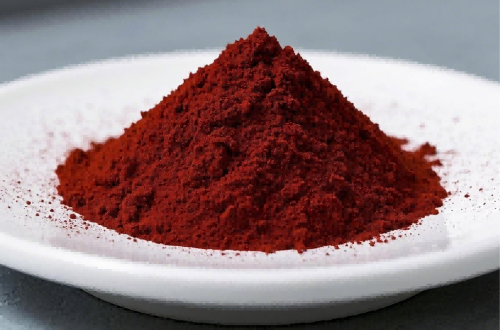
Sodium Rifamycin S CAS 133956-65-7: Premium Pharmaceutical Intermediate from Zhengzhou Minzhong Pharmaceutical Co Ltd

How Bacteria Outsmart Rifampicin: The Hidden Dual-Promoter Alarm System Uncovered