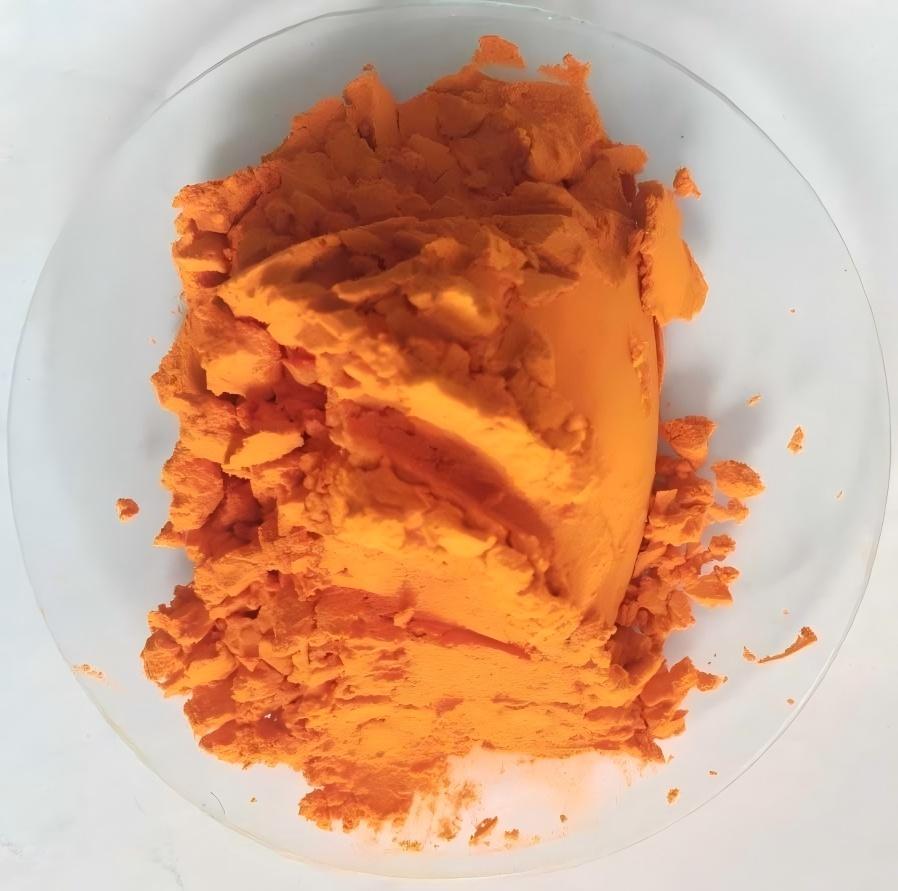
Rifaximin: Why This Non-Absorbable Antibiotic Is Emerging as a Game-Changer for Animal Husbandry
The global animal husbandry industry has long grappled with a critical paradox: the need to combat bacterial infections in livestock while minimizing drug residues, systemic side effects, and risks to food safety. For years, traditional antibiotics have fallen short of this balance, often entering the animal’s systemic circulation and leaving trace amounts in milk, meat, or eggs. Enter rifaximin—a unique non-absorbable antibiotic that was first developed for human medicine but is now rewriting the rulebook for veterinary care. In this post, we’ll explore why this compound is being hailed as a new hope for sustainable and safe livestock farming.
From Human Healthcare to Veterinary Innovation: A Timeline of Transformation
Rifaximin, an organic compound with the chemical formula C₄₃H₅₁N₃O₁₁, was initially engineered as a human antibacterial drug, primarily to treat intestinal infections such as bacterial diarrhea, traveler’s diarrhea, and small intestinal colitis. Its broad-spectrum activity made it a staple in human gastroenterology, but its true potential for agriculture would unfold over the following decades.
The pivotal shift from human to veterinary use occurred in 2014, marking a milestone for rifaximin’s agricultural application. In May of that year, a rifaximin-based intramammary infusion was approved in China for the prevention and treatment of mastitis in dry cows. This approval validated the drug’s safety and efficacy in livestock, opening the door for further veterinary development.
Building on this success, a second key milestone arrived in 2021. After years of research, a rifaximin uterine infusion was granted new veterinary drug status, expanding the compound’s use to combat endometritis in cows—another major challenge in dairy farming. These two approvals solidified rifaximin’s position as a versatile tool for animal health, tailored to address the unique needs of livestock production.
The Science Behind Its Success: Two Defining Traits
What makes rifaximin stand out from other antibiotics in the agricultural toolkit? Two core properties lie at the heart of its appeal, solving the industry’s most pressing pain points:
1. Broad-Spectrum Antibacterial Activity
As a derivative of rifamycin, rifaximin exerts its effect by inhibiting bacterial RNA synthesis—a mechanism that targets a wide range of pathogens. It demonstrates high activity against Gram-positive aerobic bacteria (e.g., Staphylococcus aureus, Staphylococcus epidermidis, Enterococcus faecalis), Gram-negative aerobic bacteria (e.g., Salmonella, Escherichia coli, Shigella), and Gram-negative anaerobic bacteria (e.g., Bacteroides). This broad coverage means it can address multiple common infections in livestock with a single agent, streamlining treatment protocols for farmers.
2. Oral Non-Absorption: The Game-Changing Advantage
By far, the most critical feature of rifaximin is its poor oral absorption. Through targeted chemical structure modification, the drug remains concentrated in the intestinal lumen when administered orally, rather than being absorbed into the bloodstream. Unlike its “cousin” rifampicin— which circulates systemically and carries a higher risk of side effects—rifaximin acts locally, right where the infection is.
This trait eliminates systemic toxicity and drastically reduces the risk of drug residues in animal products. For dairy farmers, this is a game-changer: treatments can effectively clear infections without compromising the safety of milk or the health of the cow.
Rifaximin in Human vs. Veterinary Care: Key Distinctions
While rifaximin’s core mechanism remains consistent across human and animal use, its applications are tailored to the unique needs of each domain:
In human medicine, rifaximin is laser-focused on intestinal health. Beyond treating acute infections, it is used to prevent post-gastrointestinal surgery infections and as an adjuvant therapy for hepatic encephalopathy. Its non-absorbable nature makes it ideal for patients who cannot tolerate systemic antibiotics, minimizing off-target effects.
In animal husbandry, the focus shifts to localized treatments that address both intestinal and tissue-specific infections. Dairy cows, pigs, and poultry all benefit from rifaximin’s ability to target infections at the source—whether in the gut, mammary gland, or uterus—without systemic exposure. Additionally, the veterinary industry is actively exploring novel formulations (e.g., transdermal patches, infusions) to make administration even more convenient and effective for large-scale farming operations.
Real-World Applications in Livestock Farming
Today, rifaximin’s use in agriculture is expanding rapidly, with three key areas leading the way:
1. Dairy Cow Health: A Proven Solution
Dairy farming’s high economic value demands antibiotics that are both effective and safe for milk production—and rifaximin delivers on both counts. Its uterine infusion is now a well-established treatment for cow endometritis, a condition that can severely impact fertility and milk yield. The drug’s ability to reach high local concentrations in the uterus, combined with its low systemic absorption, ensures that cows recover without adverse effects on milk quality or quantity. This has made rifaximin the go-to choice for progressive dairy operations aiming to reduce antibiotic residues.
2. Transdermal Formulations: A New Frontier for Poultry and Swine
Oral administration can be challenging for young poultry and piglets, which is why researchers are exploring transdermal rifaximin formulations. A groundbreaking 2024 study successfully developed a rifaximin transdermal agent that penetrates the skin to treat intestinal infections. In mouse models infected with Salmonella typhimurium, this formulation performed as well as—if not better than—oral rifaximin. For the livestock industry, this means a non-invasive, easy-to-administer option for treating young animals, with the potential to reduce mortality rates and improve herd health.
3. Exploratory Antiviral Potential: Early-Stage Promise
While rifaximin is best known as an antibiotic, 2024 research has uncovered a tantalizing new possibility. Studies show that rifampicin—another rifamycin family member—can inhibit the replication of Porcine Reproductive and Respiratory Syndrome Virus (PRRSV, or “blue ear disease”) and Porcine Epidemic Diarrhea Virus (PEDV) in cell cultures. These viruses cause devastating losses in the swine industry, and there are few effective treatments available.
It’s important to note that this research is still in the early cell experiment phase, and rifaximin’s own antiviral activity has not yet been confirmed. However, this discovery opens a new avenue for drug development, potentially positioning rifaximin and other rifamycins as dual-action agents for livestock health in the future.
Why Rifaximin Is the “New Hope” for Animal Husbandry
At its core, rifaximin solves the fundamental conflict of antibiotic use in agriculture: efficacy versus safety. Traditional antibiotics often force farmers to choose between treating infections and protecting food safety—but rifaximin removes that trade-off.
Its “local action, systemic safety” profile aligns perfectly with the modern livestock industry’s goals: sustainable production, reduced antibiotic residues, and improved animal welfare. What began as a solution for dairy cows is now poised to revolutionize poultry, swine, and other livestock sectors, as new formulations and applications continue to emerge.
As the world demands safer, more sustainable food systems, rifaximin stands at the forefront of this shift. While early-stage research like its potential antiviral activity requires further validation, its proven track record in dairy farming already makes it an indispensable tool. For animal health professionals, farmers, and the broader agriculture community, rifaximin isn’t just a new antibiotic—it’s a blueprint for the future of responsible livestock care.